
Common Appliance Problems in Abington Homes
A basement washer that starts leaking on a Saturday morning can send water across a concrete floor and into storage boxes before anyone notices. In many older Abington homes, the laundry hookups sit in an unfinished basement with the shutoff valve tucked behind the unit — and if that valve hasn't been turned in years, it may not close all the way when you need it most.
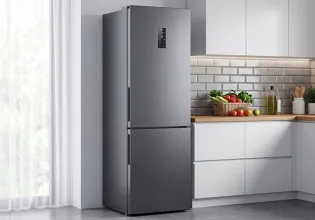
- Refrigerators that stop cooling often have a condenser coil packed with dust, especially when the unit is wedged into a tight kitchen alcove with little airflow behind it.
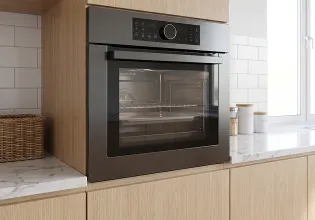
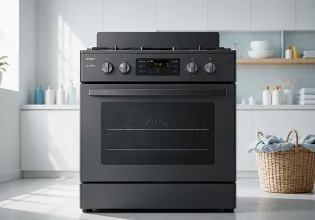
- Gas stoves and ovens that won't ignite — usually a failed igniter, but worth checking whether you smell gas before troubleshooting anything else.
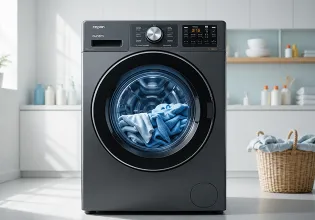
- Washers that refuse to drain. In homes with older plumbing, the drain hose connection can sit lower than ideal, and a partial clog in the standpipe backs water right into the drum.
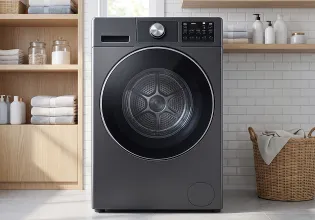
- Dryers running a full cycle without producing heat. Often the thermal fuse, but in houses where the vent runs a long path through a basement wall, lint buildup is the first thing to rule out.
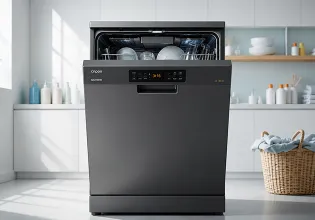
- Dishwashers leaving dishes dirty or pooling water at the bottom — a stuck float switch or a clogged filter are common culprits.
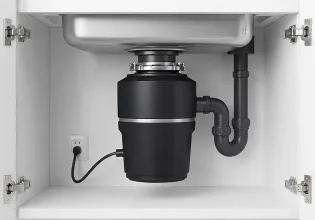
- Garbage disposals that hum but won't spin, usually jammed by a small bone or piece of glass wedged under the impeller plate.
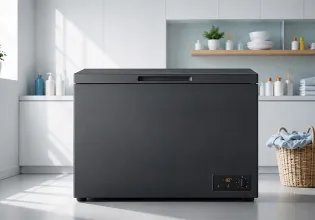
- Chest freezers in the garage building frost on the walls, which can mean a worn door gasket or a thermostat that's drifting out of range.
Local Utility, Permit, Safety, and Disposal Factors in Abington
If you're replacing a gas stove or hooking up a new gas dryer in Abington, the installer has to pull a gas permit through the Abington Building Department before any work begins. That's not optional. Massachusetts law requires that only a licensed gas fitter perform the connection, and the town's Building Department at 500 Gliniewicz Way handles the permit and the follow-up inspection. Skip that step and you risk a failed inspection later — or worse, an unsafe connection behind the wall where nobody can see it.
Electrical permits work the same way. Swapping an electric range that needs a new 240-volt circuit, or upgrading an older panel to handle a modern electric dryer, means a licensed electrician pulls an electrical permit and the work gets inspected. Eversource provides electric service throughout Abington, and any work that touches the service panel or meter requires coordination with them. If you're told the job doesn't need a permit, ask again — in Massachusetts, it almost certainly does.
Plumbing connections follow the same pattern. Installing a new dishwasher or garbage disposal that ties into the water supply or drain requires a plumbing permit, and under the Massachusetts State Plumbing Code 248 CMR, only a licensed plumber can do the work. That matters most when an older home's drain lines don't match up cleanly with a new appliance — a common situation in Abington's mixed housing stock.
Gas safety is a serious concern in any town where National Grid supplies natural gas to residential customers. If you smell gas near a stove, oven, or dryer, leave the house and call National Grid's 24-hour emergency line at 1-800-233-5325. Don't flip light switches or use your phone inside. The Abington Fire Department responds to gas leak calls and coordinates directly with National Grid for shutoffs. They also enforce the state requirement for carbon monoxide detectors: Massachusetts law under 527 CMR requires CO alarms within 10 feet of every bedroom in any home with gas appliances or an attached garage. If a gas oven or dryer is malfunctioning, check that your detectors are working before you do anything else.
Dryer vent blockages are another fire hazard the Abington Fire Department flags regularly. In older single-family homes where the dryer sits in the basement, the vent run can travel 15 or 20 feet through a wall before reaching the outside. Lint accumulates in those long runs faster than most people expect, and a dryer that takes two cycles to dry a load is often the first warning sign.
Abington Building Department
500 Gliniewicz Way
Abington, MA 02351
Phone: (781) 982-2118
Official Website
What Makes Appliance Repair in Abington Different
Abington is a small South Shore town where most of the housing stock is single-family homes, many built decades ago. That means kitchens with less counter depth than modern appliances expect, basement laundry setups with low ceilings, and electrical panels that were sized for a different era. When a repair crosses into replacement territory, the permit requirements through Abington's Building Department — separate gas, electrical, and plumbing permits, each requiring a licensed tradesperson — add steps that a homeowner in a town with a less structured inspectional process might not encounter.
Disposal is the other piece that catches people off guard. You can't leave a dead refrigerator or washer at the curb on trash day. Abington requires residents to contact the DPW directly to schedule pickup of large appliances, and refrigerators or freezers that contain Freon need certified refrigerant removal before the town will take them. That's a real cost and scheduling step that makes repairing a borderline appliance worth a harder look before deciding to replace it.
Appliance Replacement and Household Equipment Considerations in Abington
When a repair no longer makes sense — the compressor on a 15-year-old refrigerator fails, or a washer's transmission gives out — the replacement process in Abington involves more than picking a new model and scheduling delivery. Start with disposal: under Abington DPW solid waste and recycling guidelines, large appliances like refrigerators, freezers, washers, and dryers can't go out with regular curbside trash. You need to call the Department of Public Works to arrange a special pickup. Freon-containing units require certified refrigerant removal first — if you skip that step, the town won't collect the appliance.
On the installation side, the type of appliance determines which permits you'll need. Swapping a gas range for another gas range still requires a gas permit if the installer disconnects and reconnects the gas line. Adding a dishwasher where there wasn't one before means a plumbing permit for the water supply and drain connection. Even an electric dryer replacement can trigger an electrical permit if the existing wiring or outlet doesn't meet current code. Ask the installer before the appointment whether they'll handle the permit, and confirm they hold the right Massachusetts license for the work.
Older Abington homes sometimes have panel boxes with limited breaker capacity. A new electric range or dryer that draws 240 volts needs a dedicated circuit, and if the panel is full, an electrician may need to upgrade it before the appliance can be installed. That adds time and cost, but it also means the work gets inspected — which protects you down the road. Abington residents are also protected under Massachusetts Consumer Protection Law Chapter 93A, which requires clear written estimates and honest disclosure of repair costs. If something about a quote doesn't add up, you have the right to ask questions and get straight answers.
Abington Department of Public Works
100 Gliniewicz Way
Abington, MA 02351
Phone: (781) 982-2130
Official Website
Areas We Serve Throughout Abington
We provide appliance repair service to homes throughout the Town of Abington. Whether your house sits near the town center or along one of the quieter residential roads closer to the Rockland or Whitman lines, we cover the full 02351 area. Here's what we typically see across different parts of town:
- Abington Town Center — Older homes near the center often have compact kitchens where a full-size refrigerator barely clears the cabinet opening. Worth measuring before ordering a replacement.
- Homes near Route 18 — Many of these are postwar single-family houses with basement laundry setups. Dryer vent runs tend to be long, and we often find lint buildup that's been ignored for years.
- Residences along North Avenue — A mix of housing ages here. Some of the older properties still have original electrical panels that need evaluation before a high-draw appliance can be installed.
- Properties near Island Grove — Homes in this area often have gas service for heating and cooking. If you're replacing a gas stove, confirm your installer will pull the gas permit through the Building Department.
- Neighborhoods off Adams Street — Tight lot spacing in some sections means the service entrance is close to the neighbor's property line. Accessing an exterior dryer vent or gas shutoff sometimes requires working in a narrow side yard.
- Homes near Ames Nowell State Park — Slightly newer construction in some pockets, but basement moisture from the surrounding wooded terrain can affect freezers and washers stored at ground level.
- Areas along Plymouth Street — Single-family homes with attached garages are common here. Massachusetts requires CO detectors in homes with attached garages, so check yours when servicing any gas appliance.
- Residences near the Whitman border — Some of the older ranch-style homes in this area have galvanized drain lines that slow dishwasher drainage. If the dishwasher seems fine but water pools, the house plumbing may be the real issue.